Every pet owner has thought about it at least once: what would happen if your dog bolted out the front door or your cat slipped out during a thunderstorm? It’s an unsettling question, and the honest answer is that a collar and ID tag alone won’t cut it. Tags fall off, collars snap, and in a moment of chaos, your contact information is gone. A microchip is the one form of identification that stays with your pet for life, and it can make the difference between a frantic search that ends in a reunion and one that doesn’t.
At Montgomery Veterinary Hospital, we offer microchipping as part of our commitment to straightforward, practical preventive care. Dr. Melissa Grech-Attard and our team believe that protection like this shouldn’t feel like an afterthought — it should be part of the conversation from the very beginning. Whether you’re bringing in a new puppy, updating your senior dog’s care plan, or simply overdue for a check-in, microchipping is one of the easiest ways to protect the pet that matters most to you.
A microchip is a tiny implant, roughly the size of a grain of rice, that gets placed just beneath the skin between your pet’s shoulder blades. The procedure takes only seconds and doesn’t require anesthesia. Once in place, the chip contains a unique ID number that links to your contact information in a national pet registry. When a lost pet is brought to a shelter or veterinary clinic, staff can scan the chip and trace it back to you.
It’s worth noting what a microchip is not: it’s not a GPS tracker, and it doesn’t require a battery or charging. It’s a passive device that simply holds identifying information until it’s needed. That simplicity is actually a strength. There’s nothing to break, lose, or forget to charge.
The numbers here are hard to argue with. According to the American Animal Hospital Association, lost dogs with microchips are returned to their owners at a rate of 52.2%, compared to just 21.9% for dogs without one. For cats, the gap is even wider: microchipped cats are reunited with their owners at a rate of 38.5%, compared with only 1.8% for unchipped cats. Those aren’t small differences — they’re the kind of differences that determine whether a story has a good ending.
One thing that causes microchips to fail isn’t the chip itself, but the registration. A chip not tied to current contact information can’t do its job. After your pet is chipped, you’ll need to register the chip number with a national database and keep that information up to date if you ever move or change your phone number.
The microchipping process at Montgomery Veterinary Hospital is fast and low-stress. For most pets, it feels similar to a routine vaccine. We use a sterile needle to place the chip under the skin, and most animals barely react. If your pet tends to be anxious at the vet, let us know in advance. Our practice is Fear Free certified, which means we approach every visit with your pet’s stress level in mind, from the way we handle them to how we structure the appointment.
Many pet owners choose to have their pet microchipped at the same time as the spay or neuter or during a wellness exam, which makes the process convenient. If you’d prefer a standalone appointment, that works just as well.
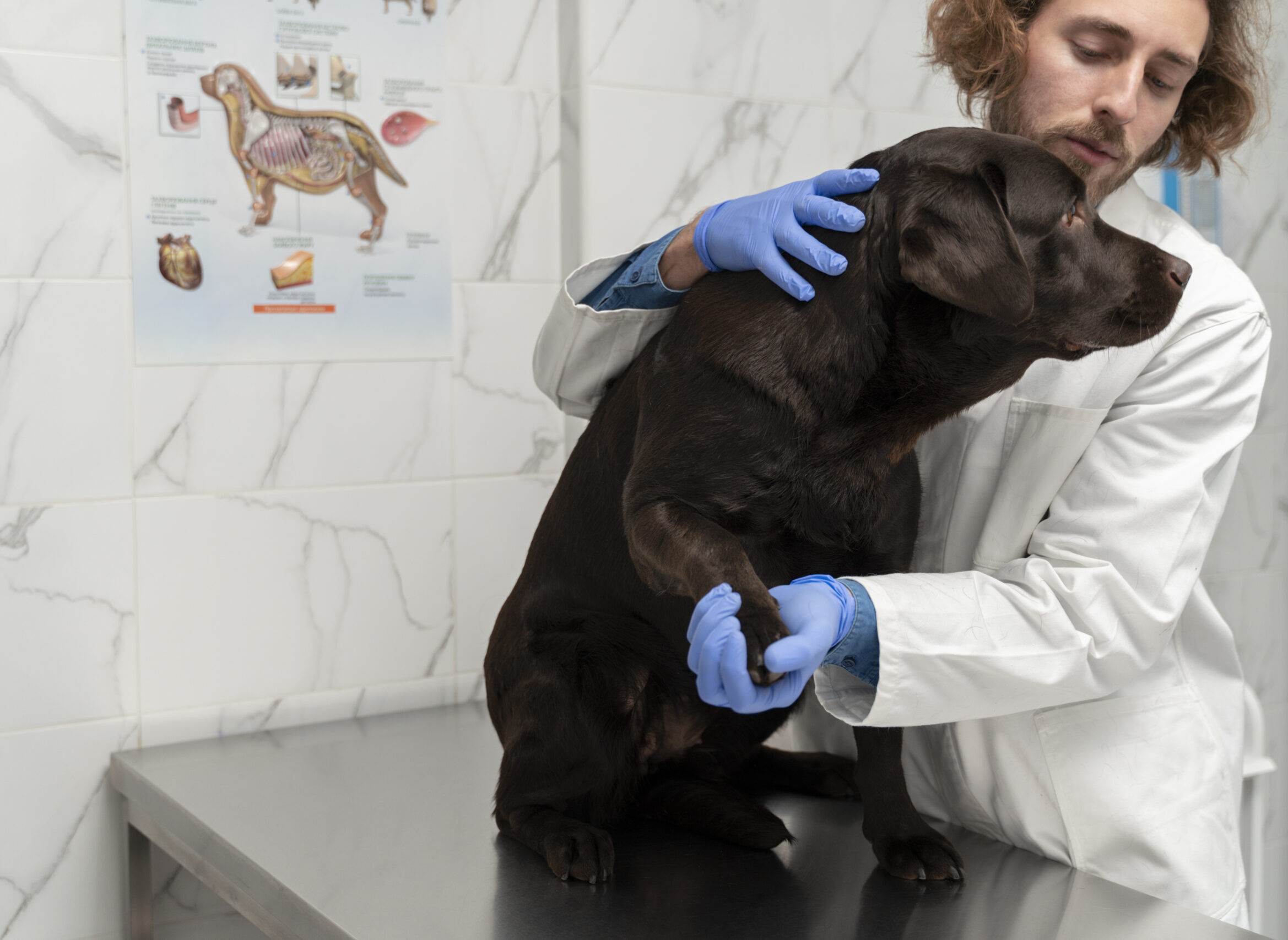
The short answer is: every pet owner. But there are a few situations where it becomes especially important. Pets who spend time outdoors unsupervised, dogs that are reactive or easily spooked, and cats who occasionally get outside are all higher-risk candidates. Newly adopted pets, including puppies and kittens, should be microchipped early so protection is in place before they ever have a chance to go missing.
If you travel with your pet, microchipping becomes even more relevant. International travel often requires a microchip as part of the health certificate process. Dr. Grech-Attard is USDA-accredited and handles travel health certificates for both domestic and international travel, so if a trip is in your plans, we can coordinate both needs in one visit.
Microchipping is one of those decisions that feels small until the moment it isn’t.
At Montgomery Veterinary Hospital, we’ve been part of this community long enough to know that the pets we see aren’t just animals — they’re family. The team takes a genuine, no-pressure approach to preventive care, and microchipping fits naturally into that philosophy. It’s a permanent safeguard: affordable, quick, and something you’ll never regret. For pets who do better in a familiar environment, we also offer house calls throughout Orange County. We offer same-day appointments, CareCredit financing, in-house payment plans, and discounts for seniors, military families, multi-pet households, and commuters.
We serve Montgomery, NY and the surrounding Orange County communities, including Walden, Newburgh, Middletown, and beyond. If you’re ready to get your pet chipped or have questions before you book, reach out through our contact page and we’ll get you scheduled.
"*" indicates required fields