
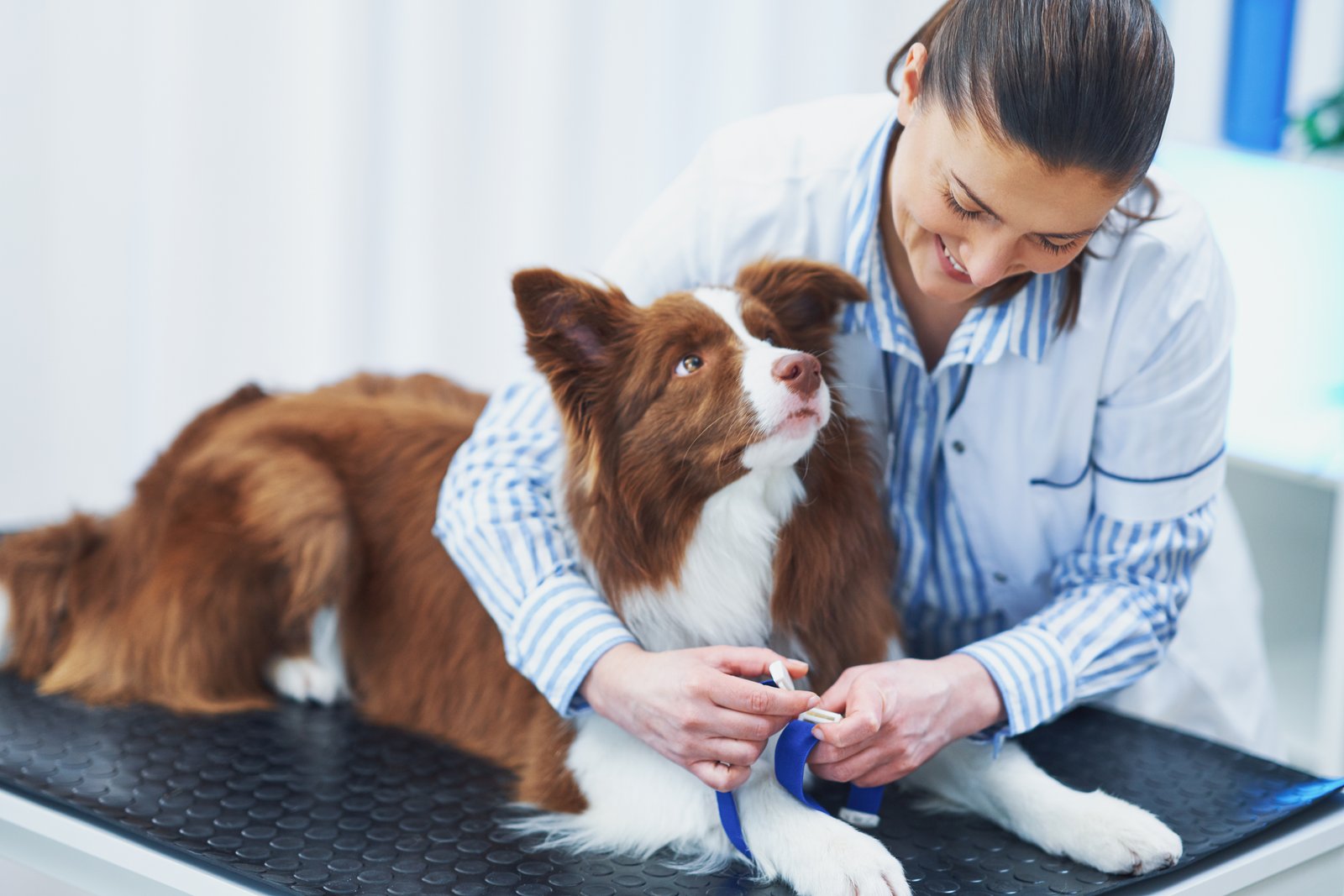
A dog who trembles at the sight of the car keys, hides during thunderstorms, or growls when a stranger reaches out to pet them is not being difficult. These behaviors are often signs of genuine anxiety, and they can affect a pet’s quality of life just as much as a physical illness. Left unaddressed, anxiety can worsen over time and sometimes lead to more serious issues like aggression or self-injury.
At Montgomery Veterinary Hospital, we take behavioral health as seriously as we take any other aspect of your pet’s wellbeing. Many practices in our area either overlook behavioral cases or handle them in ways that make a pet more fearful, not less. We built our approach around a different philosophy: understanding what is happening in your pet’s mind and body, then finding a path forward that respects both.
Recognizing the Signs of Anxiety in Pets
Anxiety in pets can show up in ways that are easy to miss or misread as simple stubbornness. A dog who paces before you leave the house, a cat who stops using the litter box, or a pet who becomes destructive when left alone may be dealing with separation-related distress rather than a training problem.
Physical symptoms often accompany the behavioral ones. Pets experiencing anxiety may pant excessively, drool, shake, or lose their appetite. Some pets become withdrawn, while others become clingy or vocal. According to the American Veterinary Medical Association, behavior concerns like fear, aggression, and separation-related issues are common yet frequently underreported by pet owners, which means many pets go without the support they need for far too long.
Why Behavioral Issues Should Not Be Ignored
It can be tempting to write off anxious behavior as just part of a pet’s personality. But anxiety that goes unaddressed rarely stays the same. It tends to intensify, and it can spill over into other parts of a pet’s life, straining the bond between a pet and their family.
Behavioral issues can also point to an underlying medical concern. Pain, thyroid imbalances, and neurological conditions can all present as anxiety or sudden changes in temperament. This is one of the reasons a proper veterinary evaluation matters so much. Ruling out physical causes is often the first step toward an effective plan, and it is a step that should never be skipped.
How We Approach Behavioral Cases
We practice Fear Free certified medicine, which means every part of a visit, from the waiting area to the exam room, is designed to lower stress rather than add to it. We built our practice with a no-waiting-room layout specifically because we understand how overwhelming it can be for an anxious pet to be surrounded by unfamiliar animals and people.
Dr. Melissa Grech-Attard has spent years working directly with behavioral cases, and she brings that experience to every appointment. Rather than offering a one-size-fits-all recommendation, we look closely at your pet’s history, environment, and triggers. Sometimes a plan involves changes at home. Other times it may include medication, a referral for specialized behavioral therapy, or both. We walk you through the reasoning behind each recommendation so you understand exactly why we are suggesting it.
We also offer house calls throughout Orange County, which can make a meaningful difference for pets whose anxiety is triggered by car rides or unfamiliar environments. Seeing your pet in their own space often gives us a clearer picture of what is really going on.
Common Triggers Worth Watching For
Every pet is different, but certain situations tend to bring on anxious behavior more often than others. Understanding these patterns can help you recognize a problem earlier and get support sooner rather than later.
- Separation from family members, especially after a change in routine
- Loud noises such as thunderstorms, fireworks, or construction
- New environments, including car rides, boarding, or unfamiliar homes
- Changes in the household, like a new pet, baby, or move
- Past trauma, including poor experiences at previous veterinary visits
If you notice your pet consistently reacting to any of these triggers, it is worth bringing it up at your next visit rather than waiting to see if it resolves on its own. Early conversations often lead to simpler solutions.
What to Expect at an Appointment
When you bring in a pet with behavioral concerns, our goal is to make the visit itself as low-stress as possible so we can get an honest picture of what your pet is experiencing. We take time to ask detailed questions about when the behavior started, what seems to trigger it, and how it has changed over time.
We also evaluate for any physical causes that could be contributing to the behavior. Because same-day appointments are often available, you do not have to wait weeks to get answers when a behavioral concern comes up unexpectedly. Our aim is always to give you a clear, honest plan rather than a quick fix that does not address the root of the issue.
Getting Your Pet the Support They Deserve
Anxiety and behavioral concerns are medical issues, not character flaws, and they deserve the same thoughtful attention you would give any other health concern. The sooner these issues are addressed, the more options you have and the better the outcome tends to be for your pet and your household.
We are here to help you understand what your pet is going through and to build a plan that actually works for your home and your routine. If your pet has been showing signs of anxiety, fear, or behavioral changes, we encourage you to reach out to our team so we can start working toward a calmer, more confident future together.